
Let’s Build an RPG: Quest 3 – Quest Tracking
We wrap up Quest 3 in our RPG Tutorial Series with a lesson on building a quest journal.
We wrap up Quest 3 in our RPG Tutorial Series with a lesson on building a quest journal.

The RPG Series RPGs are one of gaming’s most popular and longest-lived genres, and some of the most popular series in the world have had entries (or even got their start) on the Game Boy. And now, thanks to GB Studio, it’s your turn to create an RPG of your own! In this series, we…

Power up your GB Studio SHMUP projects with these tips & plugins!
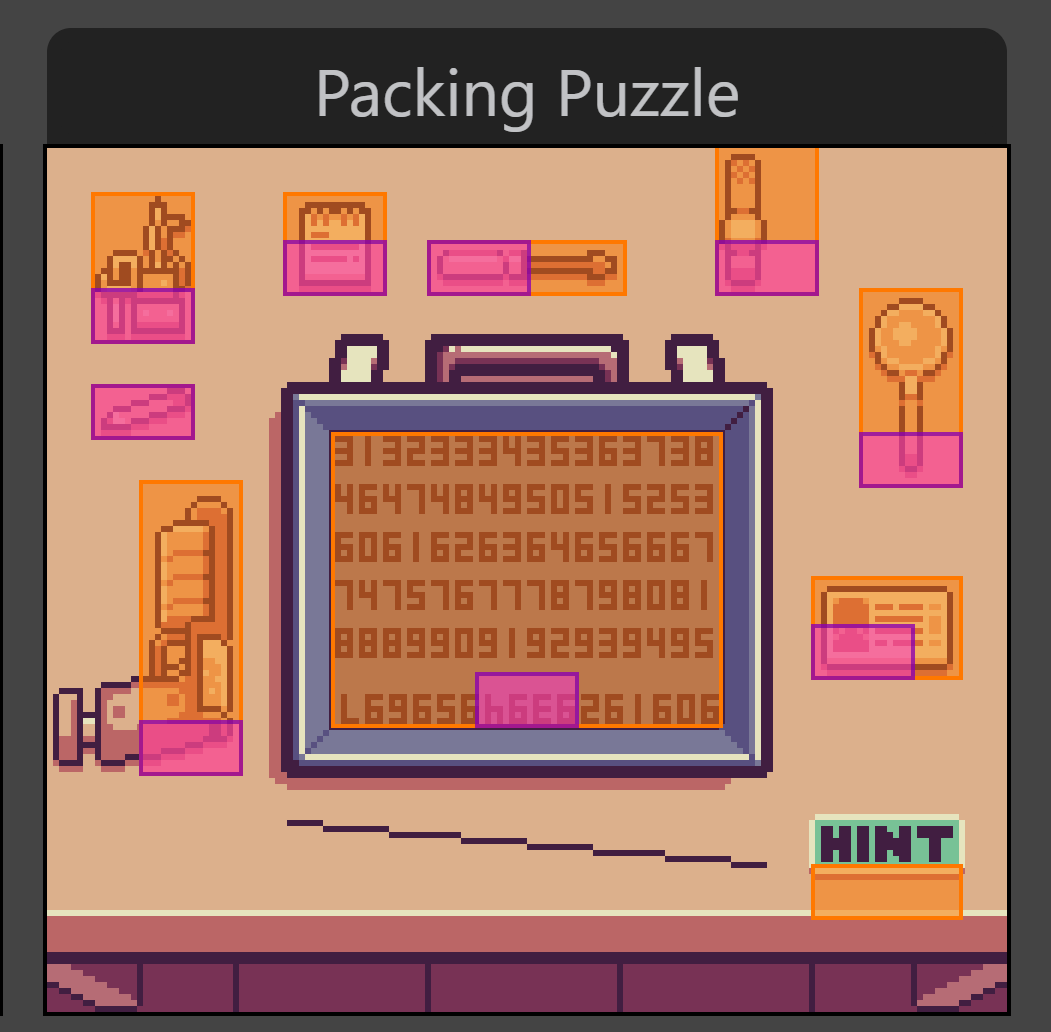
A guide to using advanced trigger techniques such as limiting activation to a direction (x,y checks), setting variables upon entry and removing them on exit, making efficient menu systems, and using actors as a pseudo-trigger system that can interact with projectiles and other actors.

Our RPG series continues! In this article, our Battle System is expanded to handle victory and defeat.

Now that we’re tracking variables, let’s use tile swapping to display our variable values on screen. We’ll also spice up our visuals by adding a few simple animations to the scene.

Random Puzzle Generation Welcome back! Now that our puzzle is functioning and you can beat it, we should add some quality-of-life improvements. Since nothing happens after getting the win state, we need to add replayability by offering a new puzzle. To do that, we’ll add random puzzle generation to the code. Beyond that, we need…
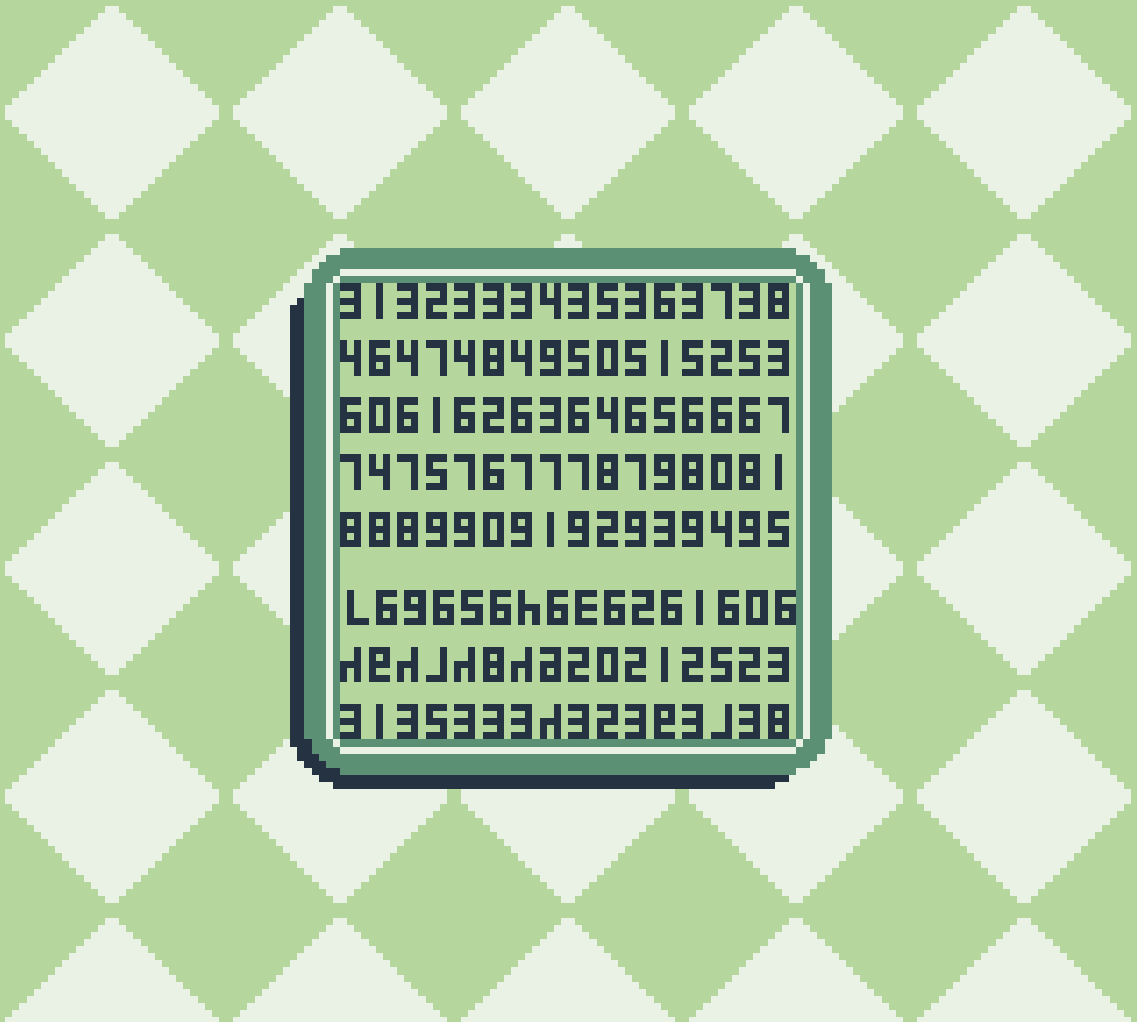
Setting Up The Electric Slide With all our movement set up, it’s time to transition the puzzle into its proper form. The artwork we currently have set up is great, but we need to make those tiles slide and move around. Considering the limitations of GB Studio, we quickly encounter two key challenges: a restriction…
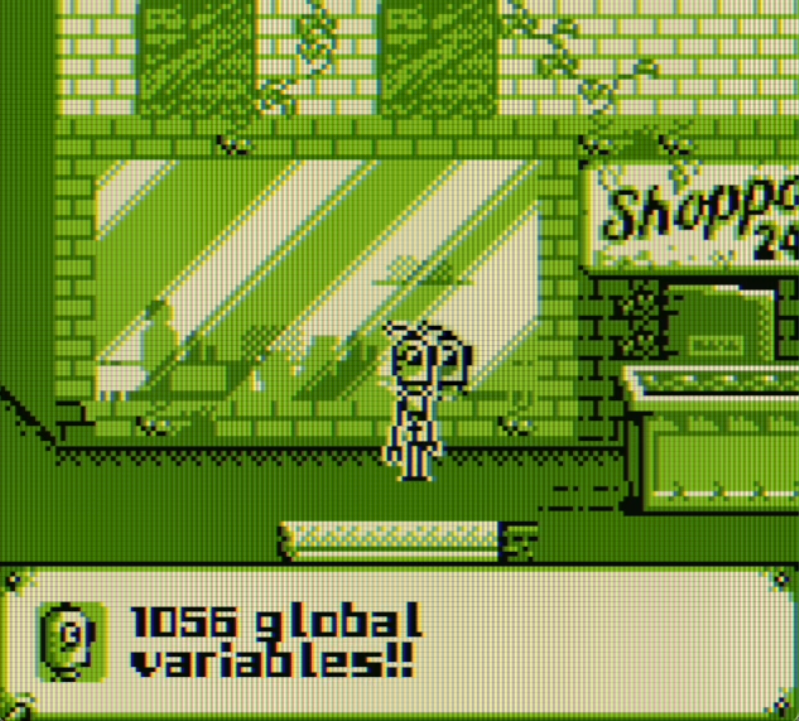
Joel J shares how GB Studio’s calculates its maximum variables and the repercussions down the line of passing the limit!

A hands on tutorial on how to create a multi-language switch and support within a Game Boy game!