
Let’s Build an RPG: Quest 3 – Quest Tracking
We wrap up Quest 3 in our RPG Tutorial Series with a lesson on building a quest journal.
We wrap up Quest 3 in our RPG Tutorial Series with a lesson on building a quest journal.

Learn how to fake infinite scrolling with animated background tiles, random enemy generation, and performance tricks for the GB hardware.

In this chapter we are using GB Studio version 4.1.3 to make a simplified version of Missile Command: a cannon at the bottom of the screen will fire projectiles at objects falling from the sky, with the goal of protecting the planet’s surface. We’ll achieve this using the “Launch Projectile” and “Attach Timer Script” commands. You…

Pearacidic introduces us to this new scripting event and discusses what benefits it has over other solutions, such as timers, script locking, and more.
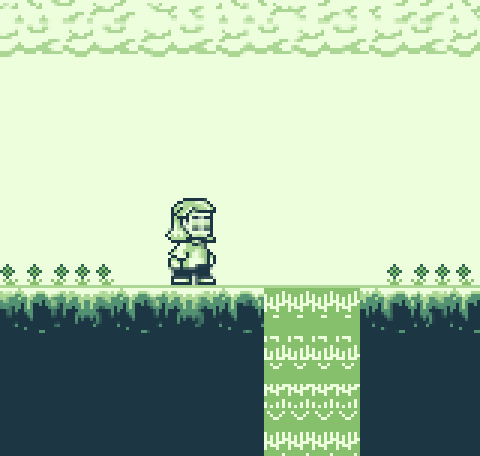
How to use the new tile swapping techniques (events) to effectively learn what was once black magic in GB Studio. Covers previous methods (which still work, of course) and how it has adapted over time.
In Quest 3, we’ll create our first town for the player to explore. In part 1, we create an Inn and a basic save/load system.
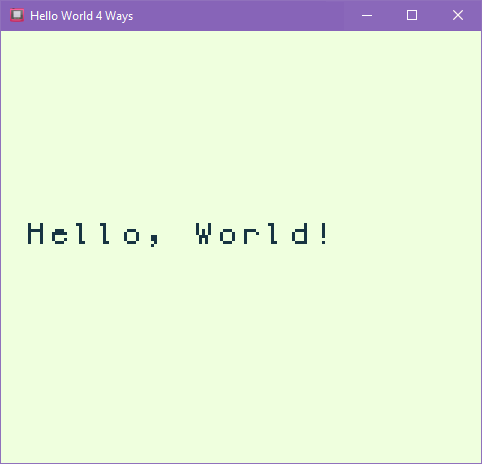
Learn four ways to write the classic first program, Hello World, in GB Studio 4: Visual Scripting, GBVM, C, and Assembly.
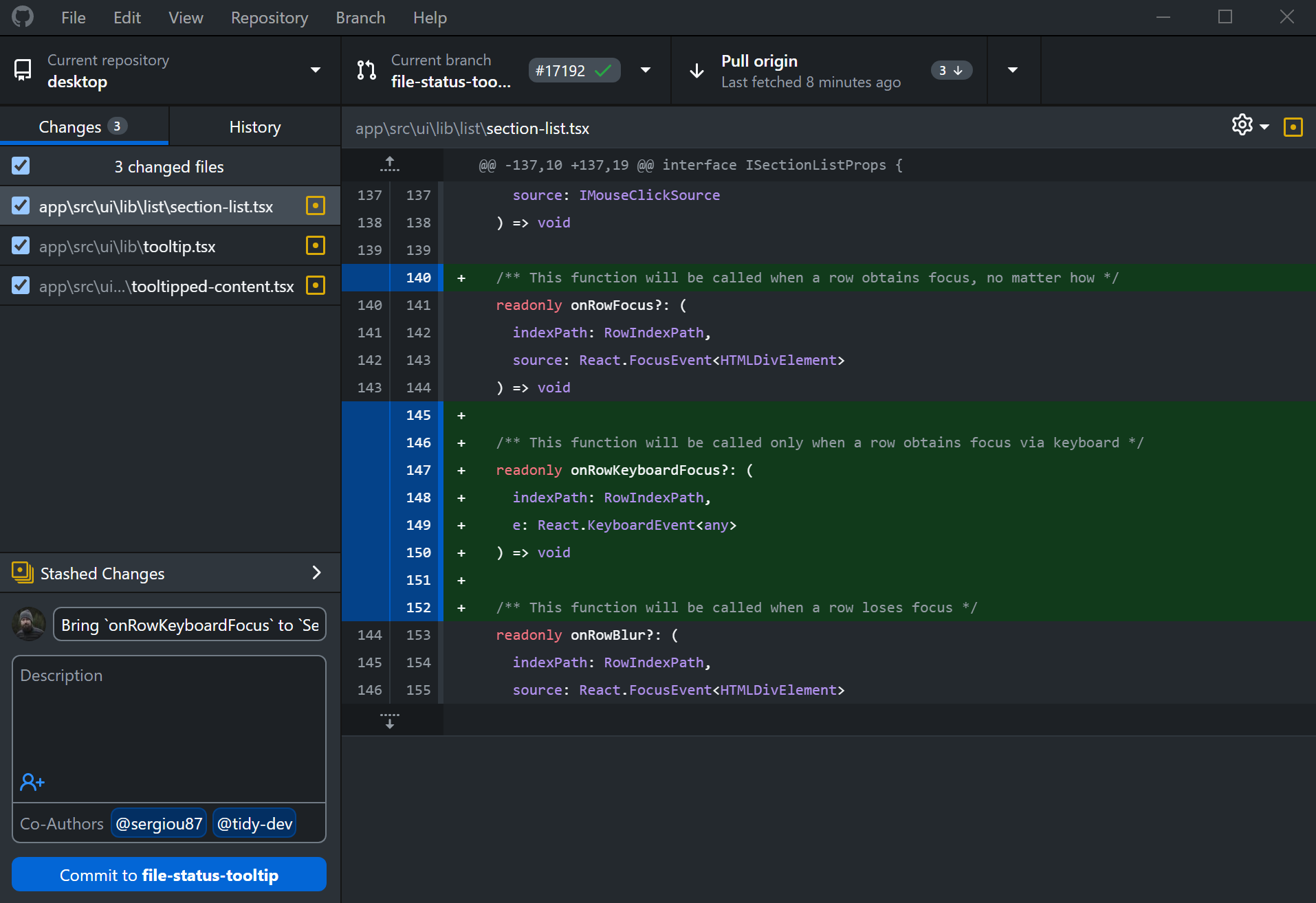
Learn how to use Version Control for your GB Studio Project with GitHub Desktop in Part 3 of our Version Control series.
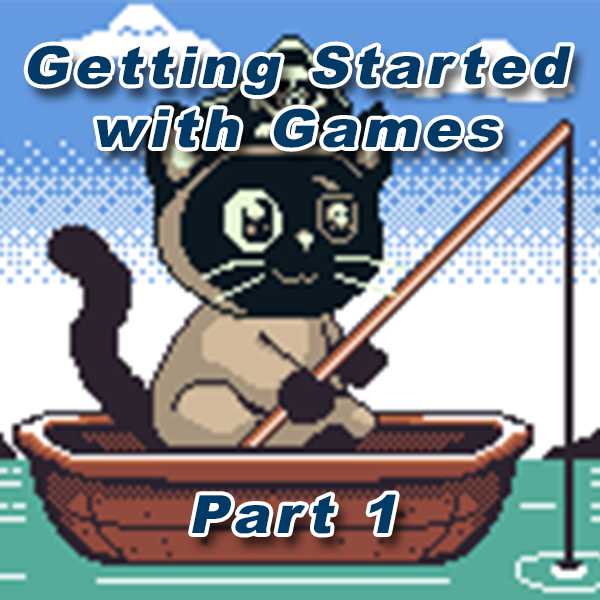
Linda is an adorable pirate kitten who is on her boat looking for lunch. We need to help her by creating a mini-game that allows her to catch fish! In this first chapter, we will learn different ways to handle sprites, such as using different sprite states, projectiles as sprites, and animations that change frames depending on a variable. Additionally, we will cover some basic scripting concepts like random variables, switches, attaching a script to a button, and conditional scripts.
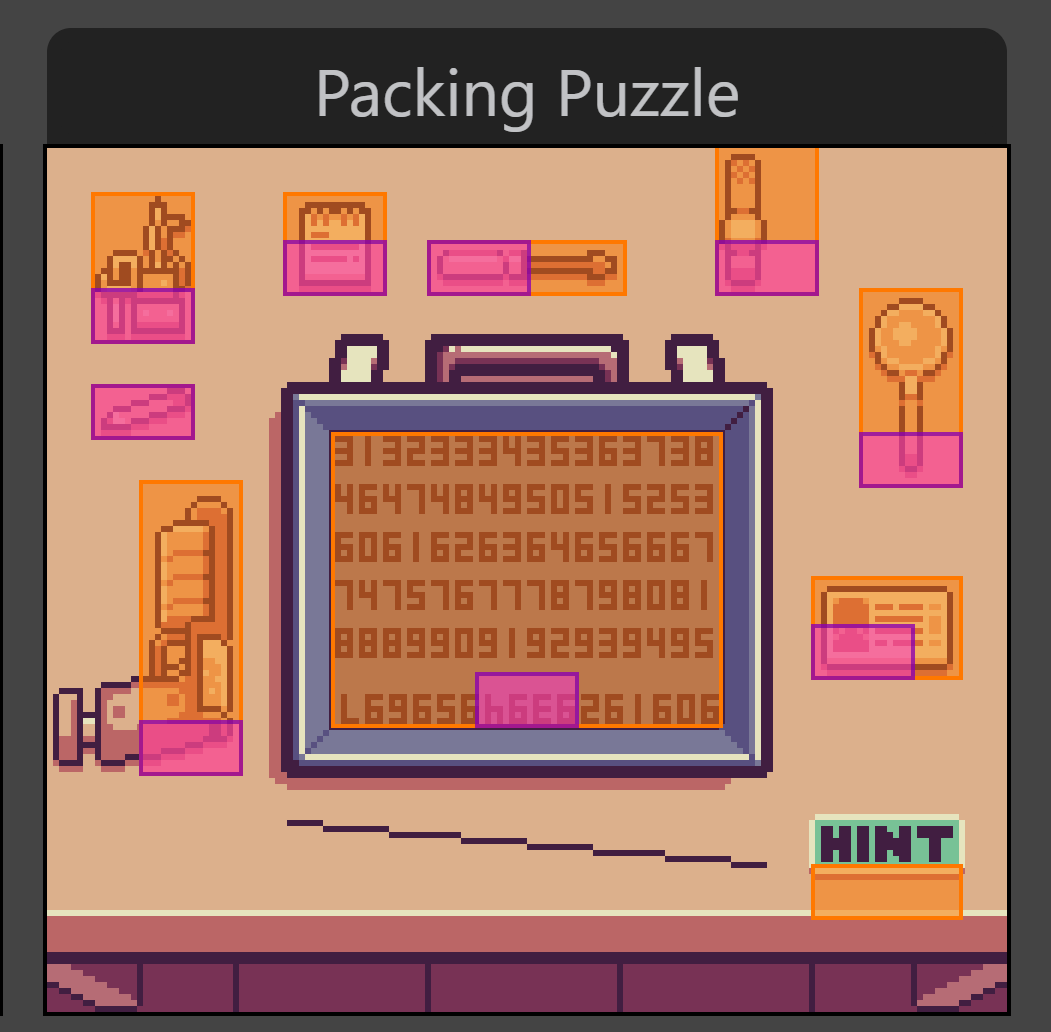
A guide to using advanced trigger techniques such as limiting activation to a direction (x,y checks), setting variables upon entry and removing them on exit, making efficient menu systems, and using actors as a pseudo-trigger system that can interact with projectiles and other actors.